 Skip to content
Ozempic Side Effects: Natural Ways to Avoid and Manage Them (Complete Guide)
Ozempic has changed the weight loss conversation for millions of people. For women managing type 2 diabetes or struggling with weight that has not responded to diet and exercise alone, it has delivered results that felt impossible before.
But the side effects are real, they are common, and for many women they are the difference between staying on the medication and stopping it entirely.
Nausea affects up to 44% of users. Constipation, fatigue, hair thinning, and the well-documented changes to facial appearance known as “Ozempic face” affect significant numbers of people taking the drug. A 2025 JAMA Open study found that moderate to severe gastrointestinal side effects were significantly associated with discontinuing Ozempic meaning the side effects, not the drug’s effectiveness, are the primary reason women stop.
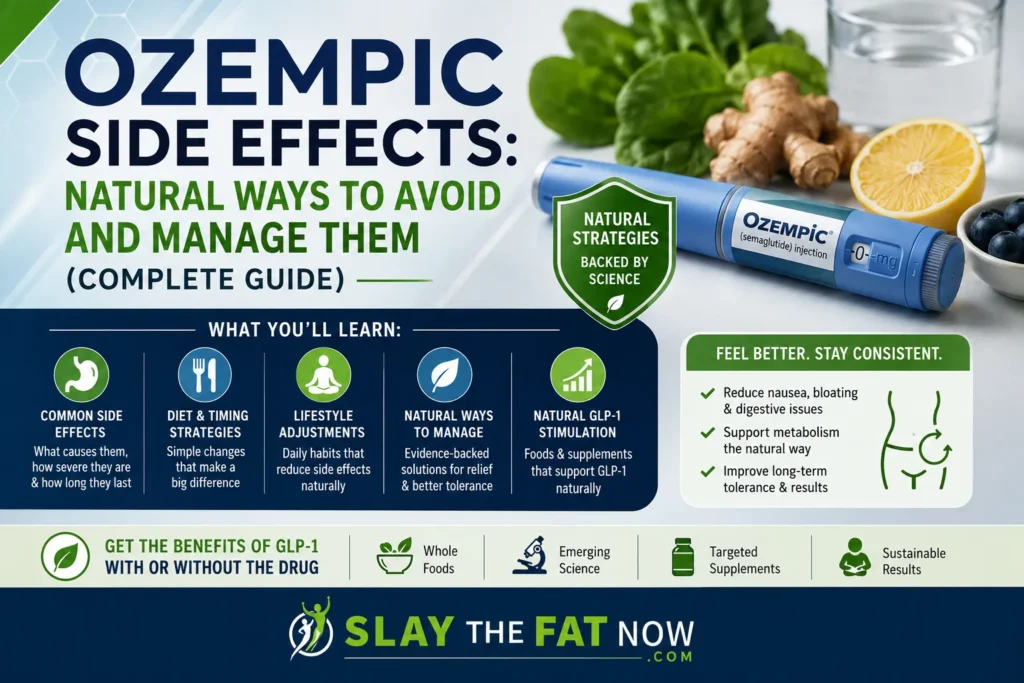
The good news: most of Ozempic’s most common side effects are directly manageable through specific dietary, timing, and lifestyle adjustments. This guide covers every major side effect what causes it, how severe it typically is, how long it lasts, and the natural strategies most supported by evidence for managing it. It also covers what to do if you want the metabolic benefits of GLP-1 activity without the drug the emerging science of natural GLP-1 stimulation through food and targeted supplements.
How Ozempic Works and Why Side Effects Happen
Understanding why Ozempic causes the side effects it does makes managing them significantly easier.
Ozempic (semaglutide) is a GLP-1 receptor agonist. GLP-1 glucagon-like peptide-1 is a hormone your gut naturally produces after eating. It signals the pancreas to release insulin, tells the brain you are full, and slows the rate at which food empties from your stomach. Ozempic mimics this hormone, but at concentrations significantly higher than anything your body produces naturally, and for much longer durations.
The benefits of this are well-documented: reduced appetite, lower blood sugar, significant weight loss, and in a 2025 Nature Medicine study, reduced risk of heart attack, stroke, and death from any cause.
The side effects flow directly from the same mechanism. Gastric emptying is slowed dramatically food sits in your stomach longer than it normally would. The gut, receiving a hormonal signal it was not designed to receive at this intensity, responds with nausea, bloating, and altered bowel function. The rapid weight loss that follows, while metabolically positive, comes with consequences for muscle mass, skin, hair, and body composition that require active management.
None of these side effects are inevitable. Most are significantly reducible some to near zero with the right approach.
The Complete List of Ozempic Side Effects
Common side effects (affect 15–44% of users)
- Nausea — the most common side effect, affecting up to 44% of users. Peaks 1–3 days after injection and typically improves within 4–8 weeks.
- Vomiting — less common than nausea but reported in approximately 24% of users, particularly at higher doses.
- Diarrhea — affects around 30% of users. Often intermittent and more common in the early weeks.
- Constipation — counterintuitively common alongside diarrhea, affecting approximately 24% of users. Caused by significantly slowed gut motility.
- Stomach pain and bloating — reported in roughly 20% of users. Related to slowed gastric emptying and gas accumulation.
- Burping and heartburn — less discussed but frequently reported. Food sitting longer in the stomach increases acid reflux risk.
- Fatigue — reported particularly in the first few weeks as the body adjusts to lower calorie intake and altered metabolism.
- Decreased appetite — technically the intended effect but can be so pronounced that it leads to inadequate nutrition.
Less common but serious side effects
- Gastroparesis (stomach paralysis) — In October 2025, the FDA updated Ozempic’s warning label to highlight the risk of serious stomach problems. The label specifically states Ozempic is not recommended for people with severe gastroparesis. This is a condition where the stomach cannot empty properly, causing persistent nausea, vomiting, and bloating that can become chronic.
- Pancreatitis — rare but serious. In January 2025, the FDA added warnings about pancreatitis risks and severe gastrointestinal reactions. Symptoms: sudden, severe upper abdominal pain radiating to the back, nausea, vomiting. Requires immediate medical attention.
- Acute kidney injury — primarily linked to severe dehydration from vomiting and diarrhea. The January 2025 FDA update added specific warnings about this risk.
- Gallbladder problems — including gallstones and cholecystitis, reported in clinical trials.
- Vision changes — including NAION (non-arteritic anterior ischemic optic neuropathy), a form of vision loss. Rare but documented.
- Low blood sugar (hypoglycemia) — more common when Ozempic is combined with other diabetes medications like insulin or sulfonylureas.
Long-term and cosmetic side effects
- Muscle loss (sarcopenia) — research published in Diabetes, Obesity & Metabolism (2024) found that 25–40% of weight lost on GLP-1 medications is lean muscle mass, not fat. This is one of the most underreported and clinically significant long-term risks.
- “Ozempic face” — a term coined by dermatologist Dr. Paul Frank to describe the facial volume loss, sagging skin, and aged appearance that results from rapid weight loss and muscle loss affecting the face.
- Hair thinning (telogen effluvium) — rapid weight loss is a known physiological stressor that pushes hair follicles into the shedding phase. This typically begins 2–3 months after significant weight loss starts and resolves within 6 months in most cases.
- Bone density changes — emerging concern with long-term use; rapid weight loss accelerates bone density reduction.
- Thyroid C-cell tumours — Ozempic carries an FDA boxed warning for this risk. In rodent studies, semaglutide caused thyroid tumours including medullary thyroid carcinoma. The human relevance has not been determined, but the drug is contraindicated in people with a personal or family history of medullary thyroid cancer or Multiple Endocrine Neoplasia syndrome type 2 (MEN 2).
Natural Ways to Manage Each Side Effect
Nausea: The Most Common and Most Manageable Side Effect
Nausea affects up to 44% of Ozempic users but is also the side effect most directly responsive to dietary and behavioural adjustments. Clinical evidence supports that small, frequent meals with bland foods can reduce nausea severity by up to 60%.
What causes it: Semaglutide dramatically slows gastric emptying. Food sits in the stomach much longer than normal. When you eat a large or heavy meal, your already-sluggish stomach is overwhelmed, triggering nausea.
Natural management strategies:
Eat small meals, 5–6 times per day instead of 3 large ones. This is the single most effective dietary change for Ozempic nausea. Smaller volumes of food prevent the stomach from becoming overfull when emptying is slowed. Eating every 2–3 hours rather than large meals every 5–6 hours keeps the stomach working at a pace it can manage.
Eliminate high-fat meals. Avoiding meals with more than 30 grams of fat is particularly important since fat further delays gastric emptying beyond what Ozempic already causes. This means avoiding fried foods, rich sauces, full-fat dairy in large quantities, and heavily processed foods.
Eat slowly and chew thoroughly. Rushing meals sends a bolus of food into an already-slowed digestive system. Eating slowly 20 minutes minimum per meal gives the stomach time to process each portion before the next arrives.
Stay upright for at least one hour after eating. Lying down after meals on a slowed digestive system significantly worsens nausea and heartburn. Gravity assists gastric emptying; remove it and food sits longer.
Ginger the most evidence-supported natural anti-nausea remedy. Research consistently supports ginger for nausea across multiple clinical contexts. The recommended dose for Ozempic nausea is 250–500mg of standardized ginger extract taken 3 times daily, or 1–2 teaspoons of fresh grated ginger steeped in hot water as ginger tea. Ginger’s active compounds gingerols and shogaols block serotonin receptors in the gut that trigger the nausea response. Many Ozempic users report significant improvement within 3–5 days of adding daily ginger.
Peppermint tea. Research supports peppermint’s antispasmodic effects on the smooth muscle of the GI tract. A cup of peppermint tea 20 minutes before eating or after a meal relaxes stomach muscles and reduces the cramping sensation that accompanies nausea. Peppermint oil aromatherapy has also shown efficacy in clinical trials for nausea reduction.
Cold, clear fluids. Cold water or cold herbal tea is better tolerated during nausea than warm drinks. Sipping 30–60 minutes before or after meals rather than with them prevents adding liquid volume to an already-full stomach. Ice chips are helpful during severe nausea episodes.
Time your injection strategically. Many prescribers recommend taking the weekly Ozempic injection in the evening before bed this allows you to sleep through the 12–24-hour peak side effect window. Some users find switching from morning to evening injections dramatically reduces daytime nausea.
Foods to avoid entirely during nausea periods: carbonated drinks, alcohol, spicy foods, fried or greasy foods, rich desserts, and anything with strong odours that trigger the gag reflex.
When it typically resolves: Most users report significant improvement in nausea within 4–8 weeks as the body adjusts. If nausea is severe, persistent beyond 8 weeks, or accompanied by inability to keep any food down, discuss a dose reduction or anti-nausea medication with your prescriber.
Constipation: The Underreported Problem
Constipation affects approximately 24% of Ozempic users and is often more persistent than nausea because it does not resolve as the body adjusts to the medication it requires active dietary management throughout treatment.
What causes it: GLP-1 receptor activation slows the entire GI tract, not just the stomach. Intestinal transit slows significantly, meaning food spends longer in the colon where water is absorbed. The result is harder, drier stools that are more difficult to pass.
Natural management strategies:
Increase soluble fibre gradually. Soluble fibre absorbs water and forms a gel in the gut, softening stools and providing the bulk needed to stimulate bowel movement. Sources: oats, chia seeds, flaxseeds, psyllium husk, apples, pears, lentils, and beans. The key word is gradually increasing fibre too quickly on an already-slowed GI tract causes bloating and cramping. Add 5g of fibre per week until reaching 25–35g daily.
Psyllium husk is the most targeted intervention. One teaspoon of psyllium husk powder stirred into a glass of water, taken once daily, is one of the most effective and well-tolerated natural constipation interventions. It also notably stimulates GLP-1 secretion naturally, so it supports the very mechanism Ozempic mimics while managing one of its side effects.
Hydration is non-negotiable. Fibre without adequate water makes constipation worse, not better. On Ozempic, aim for a minimum of 2–2.5 litres of water daily. This is especially critical if you are also experiencing nausea that is reducing your overall food and fluid intake.
Move after meals. Physical activity stimulates gut motility the muscular contractions that move food through the intestine. A 10–15-minute walk after meals has measurable positive effects on transit time. This is both the cheapest and most underutilized intervention for Ozempic-related constipation.
Magnesium citrate or magnesium glycinate (150–300mg daily) acts as a gentle osmotic laxative by drawing water into the colon. This is distinct from magnesium oxide (found in many cheap supplements), which is less bioavailable. Magnesium glycinate is better tolerated and has the added benefit of supporting sleep quality.
Reduce refined carbohydrates and processed foods. These are low in fibre and high in compounds that feed the wrong gut bacteria, slowing transit further.
Diarrhoea: Managing the Opposite Problem
Some users experience diarrhoea rather than constipation, particularly in the early weeks of treatment or after dose increases.
Natural management strategies:
The BRAT approach: Bland foods bananas, rice, applesauce, toast slow gut transit and firm stools during acute episodes. These are also the lowest-fat, easiest-to-digest foods available, addressing the gastric emptying issue simultaneously.
Avoid sorbitol and artificial sweeteners. Many sugar-free products contain sorbitol, xylitol, or other sugar alcohols that act as osmotic laxatives. On a GI tract already sensitised by semaglutide, these compounds reliably trigger diarrhoea. Read labels on protein bars, sugar-free drinks, and diet products.
Probiotics. Research supports probiotic supplementation for GI-related medication side effects. Strains with the most evidence for diarrhea management include Lactobacillus rhamnoses GG and Saccharomyces bouvardia. A 2024 meta-analysis confirmed probiotics significantly reduced antibiotic-associated diarrhea the same gut-restoration mechanism applies here.
Eat smaller, lower-fat meals. High-fat foods accelerate intestinal transit in some people even while slowing gastric emptying the net result can be unpredictable and uncomfortable. Keeping fat intake moderate and consistent helps regulate the response.
Muscle Loss: The Most Important Long-Term Risk to Manage
This is the side effect that receives the least attention relative to its clinical significance. Research published in Diabetes, Obesity & Metabolism (2024) found that 25–40% of weight lost on GLP-1 medications is lean muscle mass, not fat. For a woman losing 30 pounds on Ozempic, this means potentially 7–12 pounds of that loss is muscle.
This matters enormously for long-term health. As explained by medical experts, muscle is critical to metabolic health, strength, and the prevention of age-related disorders including type 2 diabetes, heart disease, and cognitive decline. Losing significant muscle during rapid weight loss on Ozempic sets up a scenario where the scale looks dramatically better but metabolic function is actually compromised.
For women over 40, where muscle mass is already declining with age and estrogen loss, this risk is compounded.
Natural strategies to preserve muscle on Ozempic:
Protein intake is the primary lever. Aim for a minimum of 1.6–2.2 grams of protein per kilogram of body weight daily. At a significantly reduced appetite which is the intended effect of Ozempic reaching adequate protein requires deliberate planning. Priorities protein at every meal: eggs, Greek yogurt, chicken, fish, legumes, cottage cheese. When appetite is low, protein comes first.
Strength training 2–3 times per week is non-negotiable. No dietary strategy fully compensates for the absence of a mechanical stimulus to preserve muscle tissue. Resistance training signals the body to maintain and build muscle even during a calorie deficit. For women on Ozempic who are losing weight rapidly, this is the most important lifestyle addition they can make.
Leucine-rich protein sources. Leucine is the amino acid most directly responsible for triggering muscle protein synthesis. The richest sources: eggs, chicken breast, tuna, Greek yogurt, and cottage cheese. Consuming 2.5–3g of leucine per meal (roughly 25–30g of complete protein) maximally stimulates muscle maintenance.
Do not drop calories so severely that muscle preservation becomes impossible. Ozempic creates a natural calorie deficit through appetite suppression. Actively restricting further on top of this can push the deficit so deep that the body breaks down muscle at an accelerated rate. If you are not hungry, prioritise nutrient density over volume but do not skip meals entirely.
Ozempic Face and Hair Thinning: Managing Rapid Weight Loss Consequences
“Ozempic face” and hair thinning are not side effects of semaglutide specifically they are consequences of rapid weight loss at the rate Ozempic produces. The same changes would occur from any method producing similarly rapid fat and muscle loss.
What causes “Ozempic face”: Facial fat provides volume and structure under the skin. Rapid fat loss reduces this support simultaneously across the whole body, including the face. Combined with muscle loss (each side of the face contains approximately 30 muscles that also lose mass during rapid weight loss) and reduced skin elasticity which is age-related and worsens in women over 40 the result is a hollowed, gaunt, or aged facial appearance.
Natural prevention and management:
- High protein intake preserves facial muscle mass alongside body muscle mass the same strategy addresses both.
- Strength training preserves muscle throughout the body, including the face.
- Slower weight loss reduces the severity. Maintaining adequate nutrition and not additionally restricting calories gives the skin more time to adapt.
- Vitamin C and collagen support. Research finds that diets high in vitamin C and linoleic acid are associated with better facial skin quality and fewer wrinkles in women over 40. Vitamin C is a direct cofactor in collagen synthesis. Food sources: bell peppers, citrus, kiwi, broccoli, strawberries.
- Hydration. Adequate water intake measurably improves skin softness and elasticity.
- Topical retinoids, vitamin C serum, and niacinamide support collagen production from the outside. These are not natural foods but are the most evidence-backed topical interventions for managing skin changes during rapid weight loss.
What causes hair thinning: Rapid weight loss is a physiological stressor. The body responds by shifting hair follicles from the growth phase (anagen) to the resting and shedding phase (telogen) a condition called telogen effluvium. This typically manifests 2–3 months after the weight loss begins (hence why it seems delayed), and typically resolves within 6 months as the body stabilises.
Natural prevention and management:
- Adequate protein is the primary driver of hair follicle health. Inadequate protein intake is one of the strongest predictors of hair loss during calorie restriction.
- Iron, zinc, and biotin. These three micronutrients are most commonly depleted during rapid weight loss and most directly linked to hair thinning. Food sources: iron (red meat, spinach, lentils), zinc (pumpkin seeds, beef, chickpeas), biotin (eggs, sweet potato, almonds).
- Do not create an excessively deep calorie deficit. Aggressive restriction accelerates telogen effluvium.
- Patience. For most women, hair thinning from Ozempic-associated weight loss is temporary. It resolves as weight stabilises and nutritional status recovers.
Fatigue: Supporting Energy During the Adjustment Period
Fatigue in the early weeks of Ozempic use is typically driven by significantly reduced calorie intake when appetite suppression is dramatic, the body is simply receiving less fuel.
Natural management strategies:
- Prioritise nutrient-dense, calorie-appropriate foods. When appetite is low, every meal counts for quality. Eggs, salmon, avocado, sweet potato, and legumes provide concentrated nutrients and energy without requiring large volumes.
- Do not skip breakfast. Despite reduced appetite, eating within 1–2 hours of waking maintain blood sugar stability and cortisol rhythm. Low blood sugar is a common driver of afternoon fatigue on Ozempic.
- Magnesium. Deficiency is widespread and worsens fatigue, sleep quality, and muscle function. Magnesium glycinate (300mg at night) addresses all three simultaneously.
- Reduce or eliminate alcohol. Even one drink significantly worsens GI side effects, disrupts sleep, and amplifies fatigue.
- Prioritise sleep. Ozempic’s metabolic effects work better with adequate sleep and the hormonal disruption of poor sleep (raised ghrelin, lowered leptin) partially counteracts the medication’s appetite-suppressing effects.
Natural GLP-1 Alternatives: For Those Who Cannot or Choose Not to Take Ozempic
Many women who are researching Ozempic side effects are doing so because they want the metabolic benefits of GLP-1 activity reduced appetite, better blood sugar control, support for fat loss without the drug’s risks and costs. This is a legitimate and increasingly well-researched goal.
It requires honesty upfront: no food or supplement raises GLP-1 levels to the same concentration or duration as semaglutide. GLP-1 medications keep hormone levels elevated for days; natural approaches produce a post-meal GLP-1 response that lasts hours. The comparison is not equivalent.
What natural approaches do provide is a meaningful, cumulative improvement in GLP-1 signalling, insulin sensitivity, and appetite regulation that supports fat loss without any of the side effects. For women with moderate weight loss goals, this may be entirely sufficient. For women with type 2 diabetes requiring significant medical management, it is not a replacement for medication but it is a powerful adjunct.
Foods That Stimulate Natural GLP-1 Secretion
High-quality protein. Protein is the most potent natural stimulus for GLP-1 release. The L cells in the small intestine release GLP-1 in direct response to protein intake specifically, amino acids including leucine, arginine, and phenylalanine trigger the greatest response. Research confirms that higher-protein meals produce significantly higher post-meal GLP-1 levels than equivalent-calorie carbohydrate-heavy meals. Best sources: eggs, Greek yogurt, chicken breast, fish, cottage cheese, legumes.
Soluble fibre. Fermentable soluble fibre is converted by gut bacteria into short-chain fatty acids (SCFAs), which directly stimulate L cells to release GLP-1. A systematic review confirmed that psyllium husk supplementation increases GLP-1 and improves blood sugar control. Best food sources: oats, chia seeds, flaxseeds, apples, legumes, barley. Supplemental psyllium husk (1 teaspoon daily in water) provides a concentrated soluble fibre dose.
Healthy fats especially olive oil. Monounsaturated fats stimulate GLP-1 secretion and slow gastric emptying naturally. Extra virgin olive oil with meals produces a measurable post-meal GLP-1 response. Avocado, nuts, and oily fish work through similar mechanisms.
Fermented foods. The gut microbiome directly influences GLP-1 production. A diverse, healthy microbiome with high populations of beneficial bacteria produces more SCFAs and thus more GLP-1. Fermented foods that support microbiome diversity: yogurt with live cultures, kefir, kimchi, sauerkraut, miso, and kombucha.
Spices that enhance GLP-1 signalling: cinnamon, ginger, turmeric, and fenugreek have all been shown to increase GLP-1 levels, either by delaying gastric emptying or enhancing gut hormone signalling. Cinnamon in particular has research supporting its ability to enhance GLP-1 secretion and improve insulin sensitivity making the morning cinnamon water habit from our morning drinks guide directly relevant here.
Mediterranean diet pattern overall. Studies comparing dietary patterns found that the Mediterranean diet combining lean protein, healthy fats, and fibre-rich vegetables stimulates higher post-meal GLP-1 levels than high-carbohydrate dietary patterns. The pattern, not just individual foods, is what maximises the natural GLP-1 response.
Supplements With Evidence for Natural GLP-1 Support
Berberine is the most discussed natural GLP-1 alternative. It is a plant compound extracted from plants including barberry, goldenseal, and Oregon grape, and it has been used in traditional Chinese medicine for over 3,000 years. Research in Archives of Physiology and Biochemistry (2024) confirmed berberine’s mechanism for inducing GLP-1 and its effects on type 2 diabetes management. A 2009 study showed berberine could lower HbA1c from 8.3% to 7.1% comparable to prescription diabetic drugs.
However, the evidence on berberine for weight loss specifically is mixed. A 2025 study found no meaningful change in adiposity in participants taking 1g of berberine daily for 6 months. The social media framing of berberine as “nature’s Ozempic” significantly overstates its weight loss effects. Its genuine value is in improving insulin sensitivity and blood sugar regulation which indirectly supports fat loss but is not equivalent to semaglutide’s appetite suppression.
Effective dose: 500mg taken 2–3 times daily with meals (1,000–1,500mg total daily). Start low and increase gradually berberine commonly causes GI side effects at higher doses, particularly when started abruptly.
Important warnings about berberine: It interacts with several medications including metformin, blood thinners, and certain antibiotics. It is not recommended during pregnancy or breastfeeding. Do not combine with Ozempic without medical supervision the combined blood-sugar-lowering effect can cause hypoglycemia. Always consult your doctor before starting berberine if you are on any medication.
Psyllium husk. Already covered under constipation management, psyllium husk is also one of the most evidence-supported supplements for natural GLP-1 enhancement and blood sugar control. A 2024 systematic review and meta-analysis in BMC Endocrine Disorders confirmed psyllium significantly reduces fasting blood glucose and HbA1c.
Probiotics specifically Akkerman Sia municipia. A 2024 study found Akkerman Sia increases GLP-1 levels in the gut. A 2021 study identified Akkerman Sia’s P9 protein as a specific mechanism for stimulating GLP-1 peptide secretion. Strains with the most evidence for metabolic benefit include L. acidophilus, B. infantas, B. bifidum, and Akkerman Sia. Available in pasteurized supplement form.
Alpha-lipoic acid (ALA). This antioxidant supports insulin sensitivity and may increase GLP-1 response through mitochondrial and insulin-signalling pathways. Particularly relevant for women over 40 with insulin resistance as a driver of weight loss resistance.
The Natural GLP-1 Daily Protocol
This is the practical synthesis of everything above a daily habit structure that maximizes natural GLP-1 stimulation, supports insulin sensitivity, and manages hunger without medication:
Morning (within 30 minutes of waking): Warm water → followed by cinnamon water or ACV water 15 minutes later. Both cinnamon and ACV improve insulin sensitivity and support post-meal blood sugar control. Delay coffee to 60–90 minutes.
Breakfast: High-protein, fibre-rich. Example: 3 eggs with sautéed spinach, half avocado, slice of sourdough. This combination protein, healthy fat, and fermentable fibre produces the strongest natural GLP-1 response of any meal pattern. Eat slowly over 20 minutes.
Mid-morning (if taking berberine or psyllium): 500mg berberine with a glass of water containing 1 teaspoon psyllium husk. This timing supports blood sugar management throughout the morning the period most vulnerable to insulin spikes on a Western diet.
Lunch and dinner: Mediterranean pattern lean protein, olive oil, non-starchy vegetables, legumes, small number of whole grains. Each meal structured as: protein first, vegetables second, grains last. This macronutrient sequencing has research support for reducing post-meal blood sugar spikes.
Daily movement: 10–15 minute walk after each main meal. This directly stimulates gut motility, improves post-meal blood sugar management, and enhances GLP-1 response.
Strength training: 2–3 sessions weekly. Non-negotiable for metabolic health, muscle preservation, and insulin sensitivity the three mechanisms that underpin long-term fat loss without medication.
Sleep: 7–9 hours. A single night of less than 6 hours raises ghrelin by up to 28% and reduces leptin partially reversing the GLP-1 activation work done during the day.
When to Talk to Your Doctor
Most Ozempic side effects are manageable with the strategies in this guide. Some are not. See your doctor or prescriber immediately if you experience:
- Severe or persistent vomiting — particularly if you cannot keep any fluids down for more than 24 hours (dehydration risk, kidney injury risk)
- Severe upper abdominal pain radiating to the back — potential pancreatitis, which requires immediate evaluation
- A lump or swelling in your neck, hoarseness, or trouble swallowing — potential thyroid tumour, per FDA warning
- Sudden vision changes — linked to rare but documented NAION risk
- Signs of severe dehydration — extreme thirst, dark urine, dizziness, rapid heartbeat
- Side effects that have not improved after 8–12 weeks — may indicate the medication is not well-tolerated at your current dose and a reduction or alternative is appropriate
The FDA’s January 2025 update added new patient counselling guidance on severe gastrointestinal reactions, acute kidney injury linked to dehydration, and pancreatitis risks. These are not rare theoretical concerns they are the reason the prescribing information was updated. Know the warning signs.
Frequently Asked Questions
1. How long do Ozempic side effects last?
Most gastrointestinal side effects nausea, diarrhea, constipation, burping are most intense in the first 4–8 weeks of treatment and after each dose increase. For the majority of users, these improve significantly as the body adjusts. Moderate-to-severe nausea that persists beyond 8–12 weeks without improvement typically indicates the dose needs adjustment. Side effects related to weight loss itself muscle loss, hair thinning, Ozempic face are ongoing as long as rapid weight loss continues and require proactive management throughout treatment.
2. What foods should I avoid on Ozempic to prevent nausea?
Avoid high-fat meals (more than 30g fat per meal), fried or greasy foods, rich creamy sauces, spicy foods, carbonated drinks, alcohol, and foods with strong odours during nausea episodes. These all worsen nausea on Ozempic by further slowing gastric emptying or irritating a sensitised GI tract. Instead: small, bland, low-fat, easy-to-digest meals 5–6 times daily. Ginger tea, plain crackers, white rice, broth, Greek yogurt, and poached chicken are among the best-tolerated foods during acute nausea periods.
3. Does ginger actually help with Ozempic nausea?
Yes ginger has the strongest natural evidence base for nausea relief across multiple clinical contexts including chemotherapy, morning sickness, and post-operative nausea. The recommended dose for Ozempic nausea is 250–500mg of standardized ginger extract 3 times daily, or ginger tea made from 1–2 teaspoons of fresh grated ginger steeped in hot water. Many Ozempic users report meaningful improvement within 3–5 days of consistent ginger use. Ginger chews and ginger capsules are convenient alternatives if fresh ginger is impractical.
4. How do I prevent muscle loss on Ozempic?
The two strategies with the strongest evidence for muscle preservation during Ozempic-driven weight loss are strength training and adequate protein intake. Research shows 25–40% of weight lost on GLP-1 medications is lean muscle this is reduced significantly with resistance training 2–3 times weekly and protein intake of 1.6–2.2g per kilogram of body weight daily. Leucine-rich protein sources (eggs, chicken, Greek yogurt, tuna, cottage cheese) are particularly effective at stimulating muscle protein synthesis. Do not skip meals even when appetite is suppressed protein must be a deliberate daily priority.
5. What is “Ozempic face” and can it be prevented?
“Ozempic face” is a term for the facial volume loss, sagging skin, and aged appearance that can accompany rapid weight loss on GLP-1 medications. It is caused by loss of facial fat (which provides structural support) combined with facial muscle loss and reduced skin elasticity. It is more pronounced in women over 40. Natural prevention strategies focus on slowing the rate of weight loss through adequate nutrition, preserving muscle with strength training and high protein intake, supporting collagen with vitamin C-rich foods, and maintaining skin health with adequate hydration. Topical retinoids and vitamin C serums support collagen production from the outside.
6. Is berberine a natural alternative to Ozempic?
Berberine is not equivalent to Ozempic, but it is the supplement with the strongest evidence for natural GLP-1 support and blood sugar management. It improves insulin sensitivity and has been shown to induce GLP-1 secretion. Research in 2009 found berberine could reduce HbA1c comparably to metformin in some studies. However, a 2025 study found no meaningful change in body fat with berberine supplementation alone. The honest assessment: berberine is a genuinely effective metabolic supplement for blood sugar and insulin management; it is not a weight loss drug equivalent. At 500mg taken 2–3 times daily with meals it is the strongest natural addition to a fat loss protocol, particularly for women with insulin resistance.
7. Can I take berberine while on Ozempic?
Not without medical supervision. Both berberine and Ozempic lower blood sugar. Combining them without monitoring can cause hypoglycaemia (dangerously low blood sugar), particularly if you are also taking metformin or other diabetes medications. If you want to add berberine while on Ozempic, discuss it with your prescriber first so they can monitor your glucose response and adjust other medications if needed.
8. How do I manage constipation on Ozempic naturally?
The most effective natural approach combines three strategies: increase soluble fiber gradually (psyllium husk is the most targeted intervention 1 teaspoon daily in water), drink a minimum of 2–2.5 liters of water daily (fiber without water worsens constipation), and walk 10–15 minutes after meals to stimulate gut motility. Magnesium citrate or glycinate (150–300mg daily) acts as a gentle osmotic laxative and is widely recommended by integrative practitioners for Ozempic-related constipation. Avoid adding too much fiber too quickly increase by 5g per week to prevent bloating.
9. Does Ozempic cause hair loss?
Ozempic can cause hair thinning, technically called telogen effluvium a condition where rapid weight loss pushes hair follicles from the growth phase into the shedding phase. It typically begins 2–3 months after significant weight loss starts, which is why it appears delayed. The primary prevention is adequate protein (hair follicles are largely protein structures), sufficient iron, zinc, and biotin, and avoiding an excessively deep calorie deficit. For most women, hair thinning from Ozempic is temporary and resolves within 6 months as weight stabilises and nutritional intake normalises.
10. What foods naturally stimulate GLP-1 without medication?
The strongest natural GLP-1 stimulants are high-quality protein (leucine-rich sources like eggs, chicken, and fish produce the highest gut GLP-1 response), soluble fibre (oats, chia seeds, psyllium husk, legumes fermented into SCFAs that directly trigger GLP-1 release), healthy fats particularly olive oil and avocado, and fermented foods that support the microbiome bacteria responsible for SCFA production. Spices including cinnamon, ginger, fenugreek, and turmeric have shown evidence for enhancing GLP-1 signalling. The Mediterranean dietary pattern as a whole produces significantly higher post-meal GLP-1 than Western dietary patterns.
11. Why am I so tired on Ozempic?
Fatigue on Ozempic is most commonly caused by significantly reduced calorie intake the appetite suppression can be so effective that total daily energy intake drops below what the body needs to function well. Low blood sugar is also a common contributor, particularly if meals are being skipped or reduced too aggressively. Management: prioritise nutrient-dense foods at every meal (eggs, avocado, lean protein, sweet potato), do not skip breakfast, ensure adequate iron and magnesium intake (deficiencies in both cause fatigue and are common during calorie restriction), and prioritise sleep quality.
12. Is it safe to exercise on Ozempic?
Yes exercise on Ozempic is not only safe but essential for managing the medication’s primary risk of muscle loss. The critical consideration is fuel: with appetite significantly suppressed, ensure you are eating enough to support training. Strength training 2–3 times weekly is the most important exercise type for Ozempic users it preserves the muscle that the medication would otherwise allow to be lost. Adequate protein before and after strength sessions (25–30g) maximises the muscle-preserving stimulus. Moderate-intensity cardio is appropriate but should not be used as the primary response to a weight loss plateau while on Ozempic.
The Bottom Line
Ozempic is a genuinely effective medication for its intended purposes. The side effects are real and common but most are directly manageable with specific, evidence-backed dietary and lifestyle adjustments. Nausea responds dramatically to meal timing and composition changes. Constipation resolves with targeted fibre and hydration strategies. The longer-term risks muscle loss, Ozempic face, hair thinning are significantly reduced by strength training and adequate protein, two habits that improve your health outcome on or off the medication.
For those seeking the metabolic benefits of GLP-1 activation without the drug, the combination of high-protein meals, soluble fibre, a Mediterranean dietary pattern, daily movement, and targeted supplementation with berberine and psyllium husk represents the strongest natural approach available. It will not replicate Ozempic’s magnitude of effect but it works with your body’s own systems rather than overriding them.
Whether you are managing side effects on the medication or building a natural alternative protocol, the foundation is the same: high protein, adequate fibre, strength training, quality sleep, and managed stress. These are the conditions under which the body manages weight most efficiently with or without pharmaceutical help.
For more on building the natural metabolic foundation that supports these goals, read our guide on natural fat loss methods that actually work and our complete breakdown of how to reduce cravings naturally.
References
- FDA. Ozempic (semaglutide) label update pancreatitis, gastroparesis, kidney injury warnings. January 2025 and October 2025.
- Wilding JPH, et al. Changes in lean body mass with glucagon-like peptide-1-based therapies and mitigation strategies. Diabetes, Obesity & Metabolism. 2024.
- Sumithran P, et al. Long-term persistence of hormonal adaptations to weight loss. New England Journal of Medicine. 2011.
- Gorgojo-Martínez JJ, et al. Clinical recommendations to manage gastrointestinal adverse events in patients treated with GLP-1 receptor agonists: A multidisciplinary expert consensus. Journal of Clinical Medicine. 2023.
- Blundell J, et al. Effects of once-weekly semaglutide on appetite, energy intake, control of eating, food preference and body weight. Diabetes, Obesity and Metabolism. 2017.
Written by Benjamin Sley, weight loss coach and author of the 10-Day Metabolism Reset. This article is for informational purposes only. Always consult your prescribing physician before changing any aspect of your Ozempic regimen.
